There's a beach in Wilsons Promontory so spectacular that people willingly trek 20 kilometers through rugged terrain just to spend a few hours on its shores. That beach is Sealers Cove, and it consistently ranks among the most prized destinations in one of Australia's most beloved national parks.
With a 4.9 out of 5 rating on TripAdvisor and a reputation as a "walkers paradise," Sealers Cove has earned its place on many hikers' bucket lists. But here's what most people don't realize: you don't need to hike 20 kilometers to experience it. At Wanderer Adventures, we take visitors to Sealers Cove as part of our Ultimate Day Cruise, offering a completely different perspective on this remarkable location.
Let's explore what makes Sealers Cove so special, how you can get there, and why it deserves a spot on your Victoria travel itinerary.
What makes Sealers Cove special
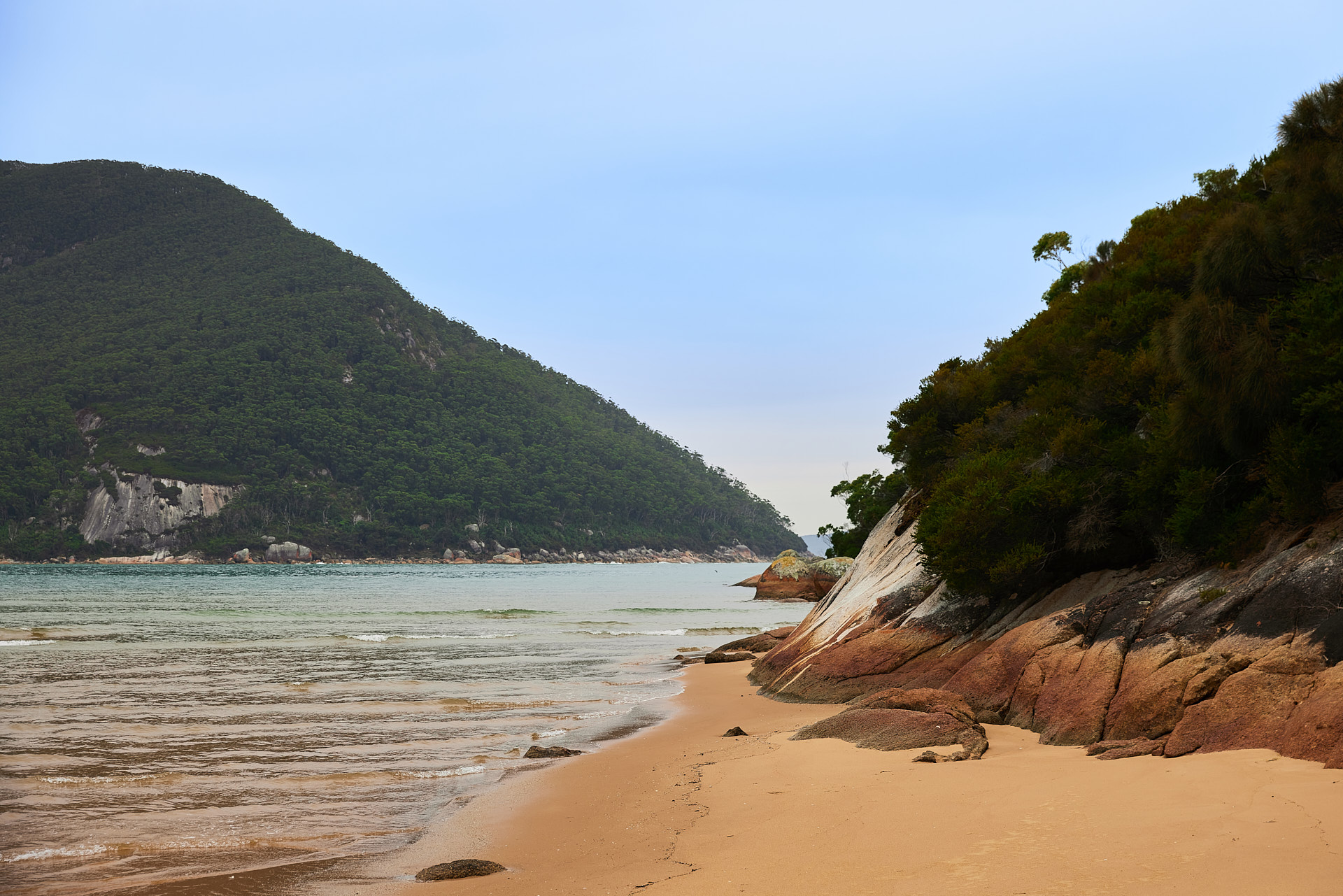
Sealers Cove sits on the eastern shores of Wilsons Promontory, tucked away in a sheltered bay that feels worlds away from civilization. The approach reveals a landscape that seems almost too perfect to be real: a crescent of golden sand backed by towering eucalypts, with granite headlands framing crystal-clear waters on either side.
The beach itself is sheltered from prevailing winds, creating unusually calm conditions for this exposed stretch of coastline. The water here is genuinely clear, and on calm days you can see right to the sandy bottom. The surrounding forest creates a natural amphitheater that amplifies the sense of seclusion. You're not just visiting a beach; you're entering a protected pocket of wilderness that has remained largely unchanged for centuries.
What truly sets Sealers Cove apart is its accessibility, or rather, the lack of it. There's no road. No carpark within walking distance. No facilities beyond basic camping infrastructure. You can only reach it by foot or by boat, which means the beach never gets crowded. Even on busy weekends, you might share the cove with just a handful of other visitors.
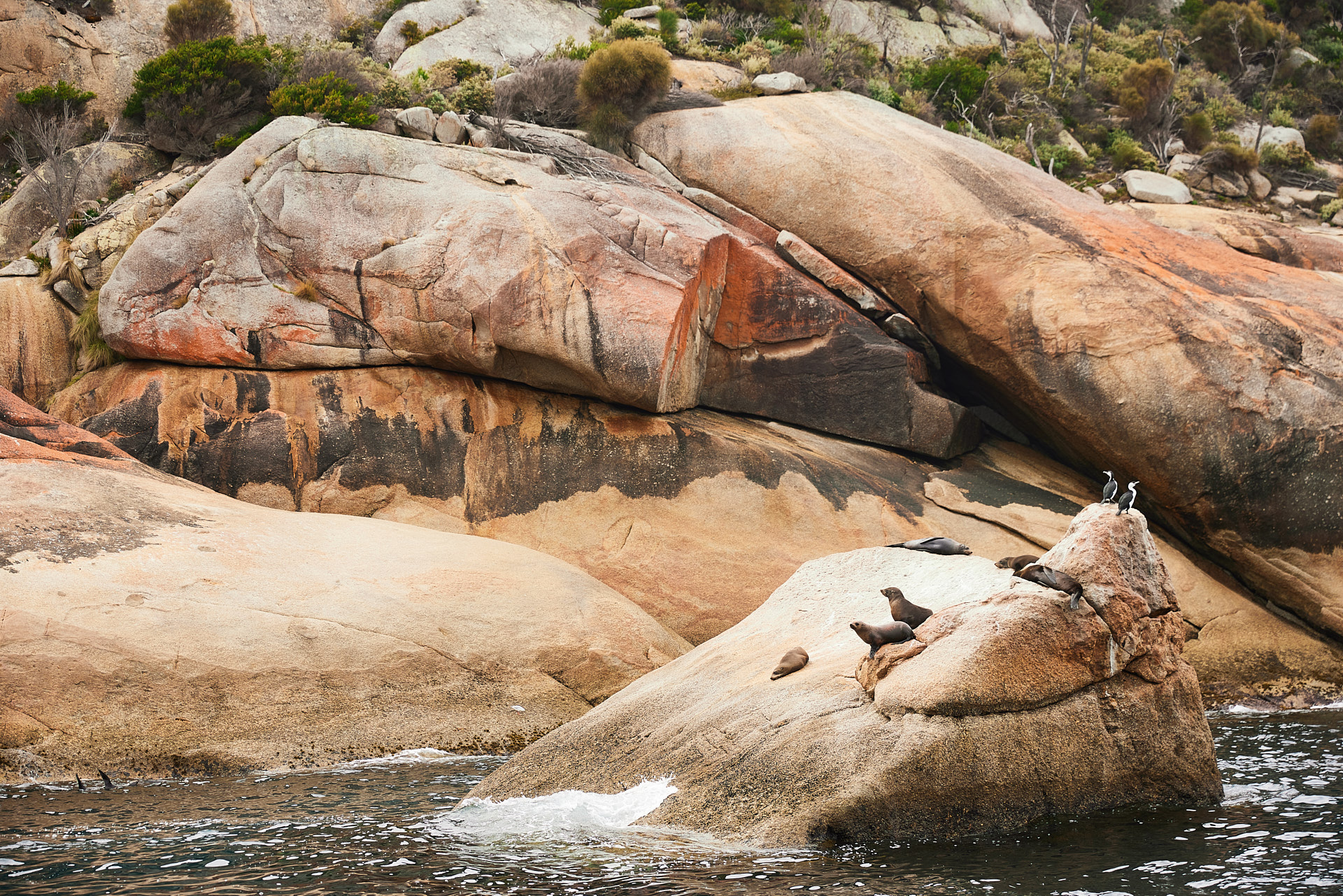
The wildlife here adds another dimension to the experience. Crimson rosellas flit through the trees, wombats and wallabies emerge at dawn and dusk, and if you're lucky, you'll spot seals lounging on the rocks offshore. One TripAdvisor reviewer described their experience as "an extraordinary natural and pristine reward" after the long hike in, noting the "majestic colours" and pristine conditions.
But Sealers Cove also carries a darker history that adds depth to its beauty. The name itself is a reminder of the 19th-century sealing industry that once operated here, when countless seals and whales were slaughtered for their pelts and oil. Understanding this history makes the cove's current pristine condition feel even more precious.
How to get to Sealers Cove
You have two main options for experiencing Sealers Cove: the famous hike or a boat cruise. Each offers a completely different perspective on this remarkable location.
The hike: 20 kilometers of effort for an unforgettable reward
The traditional way to reach Sealers Cove is via the Telegraph Saddle to Sealers Cove walking track. This 20-kilometer return journey starts at the Telegraph Saddle car park, approximately 9.5 kilometers from the beach itself.
Most hikers allow 3 to 4 hours each way, though experienced walkers can complete it faster. The trail begins with the toughest section: a steady climb to Windy Saddle, the highest point on the route. From there, the path descends through changing landscapes that showcase the Prom's ecological diversity.
Walking directions shown from Telegraph Saddle Car Park-serif; } .map-container { width: 100%; border-radius: 12px; overflow: hidden; box-shadow: 0 4px 14px rgba(0, 0, 0, 0.15); } .map-note { font-size: 14px; color: #6b7280; margin-top: 12px; }
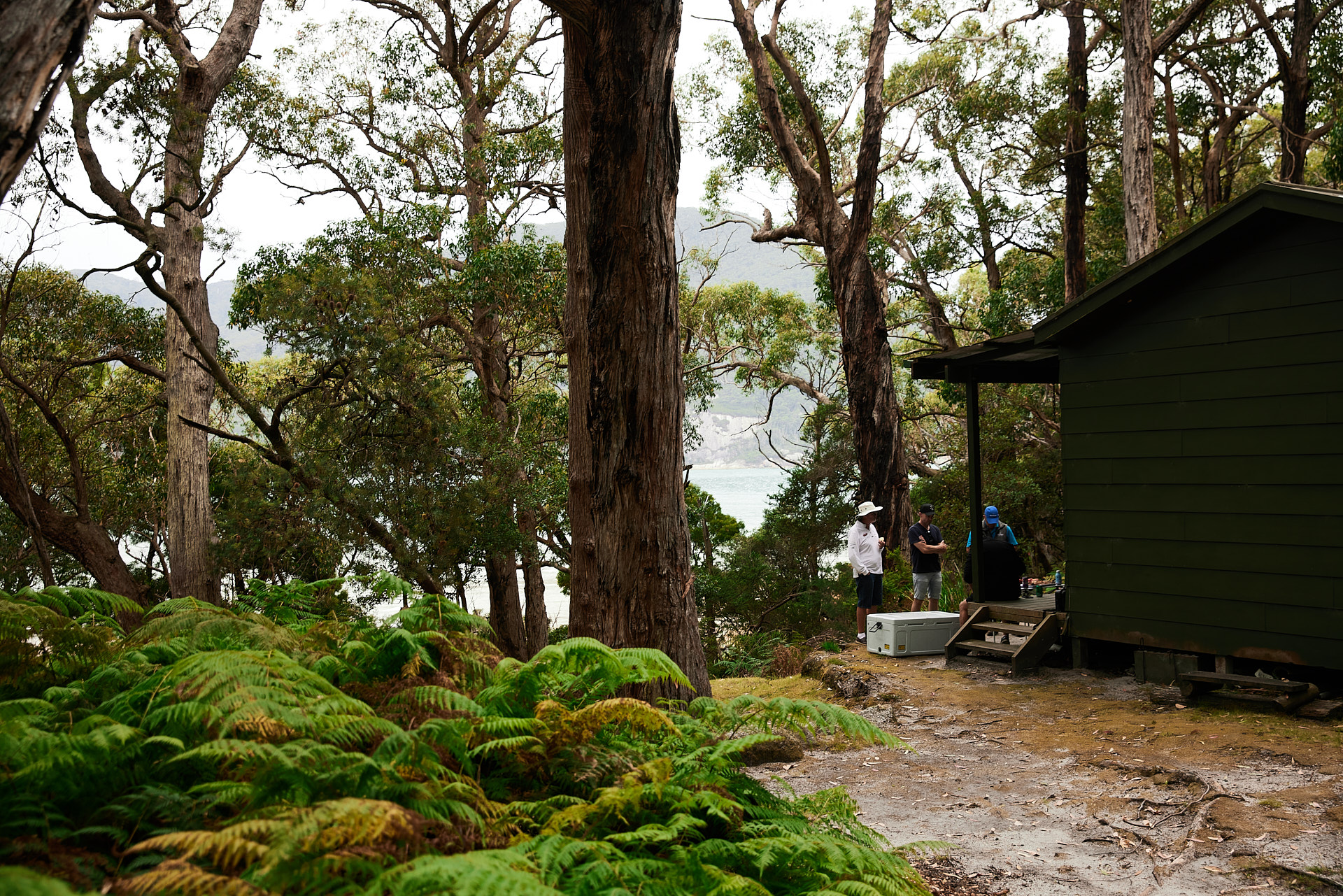
You'll pass through eucalypt forests dotted with native wildflowers, then enter cool fern gullies where man-sized tree ferns create an almost prehistoric atmosphere. Ferny Glade makes an ideal rest stop, with a swift-flowing creek where you can replenish water supplies (treatment essential). The final 2 kilometers feature a raised boardwalk that weaves through Sealers Swamp before delivering you to the beach.
Important considerations for hikers:
- The creek crossing: Sealers Creek must be crossed to access the campground. At low tide, it's a shallow wade. At high tide, the water can reach thigh-deep. Check tide times before you depart and plan your crossing accordingly.
- Current conditions: The boardwalk section is currently closed for repairs following storm and flood damage. Check the Parks Victoria website for updates before planning your trip.
- Permits: Overnight camping requires advance booking through Parks Victoria. The campground has a 2-night maximum stay and a 12-person group limit.
- Facilities: The camping area has drop toilets and water available from the creek (must be treated). There are no other facilities.
By boat: a different perspective entirely
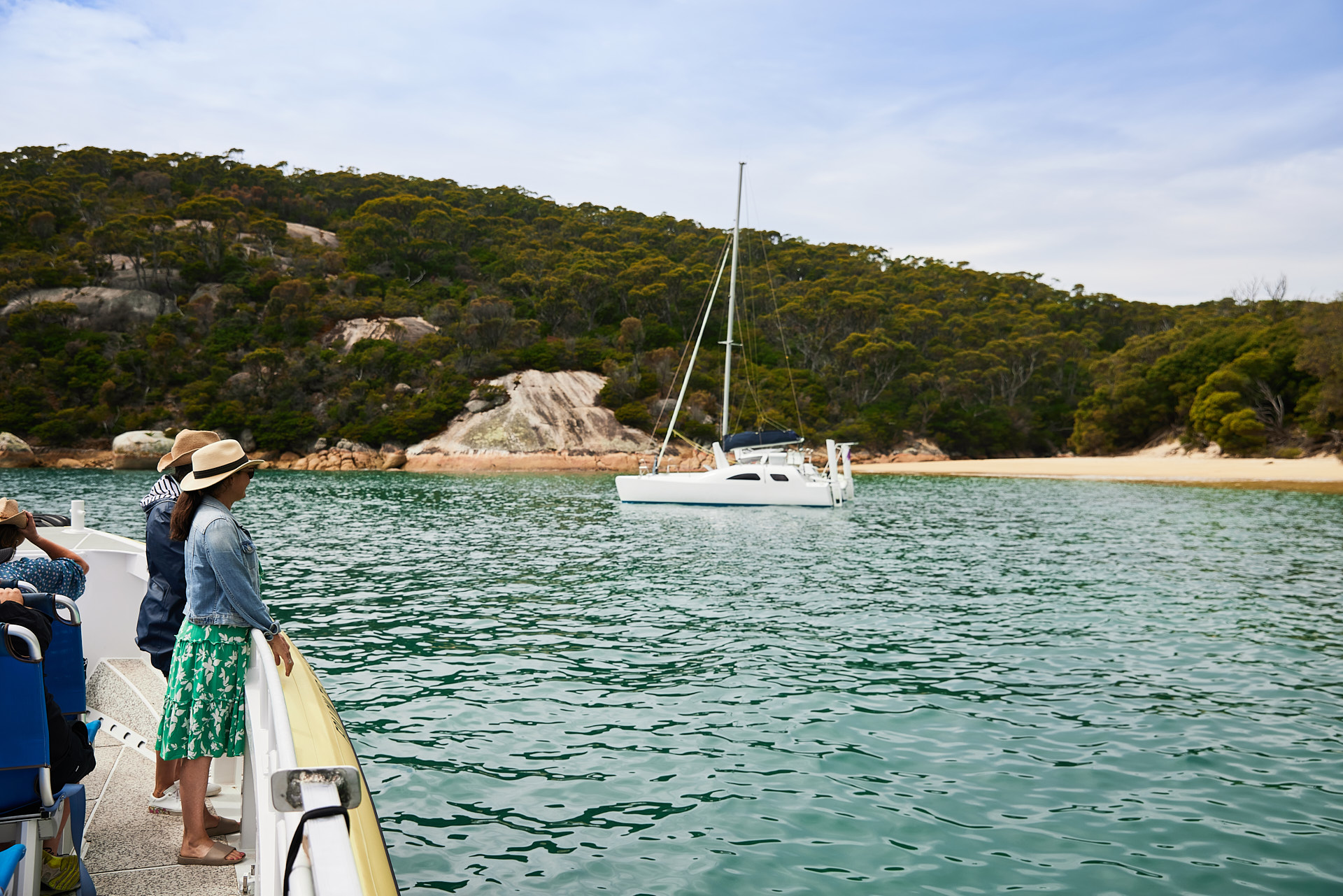
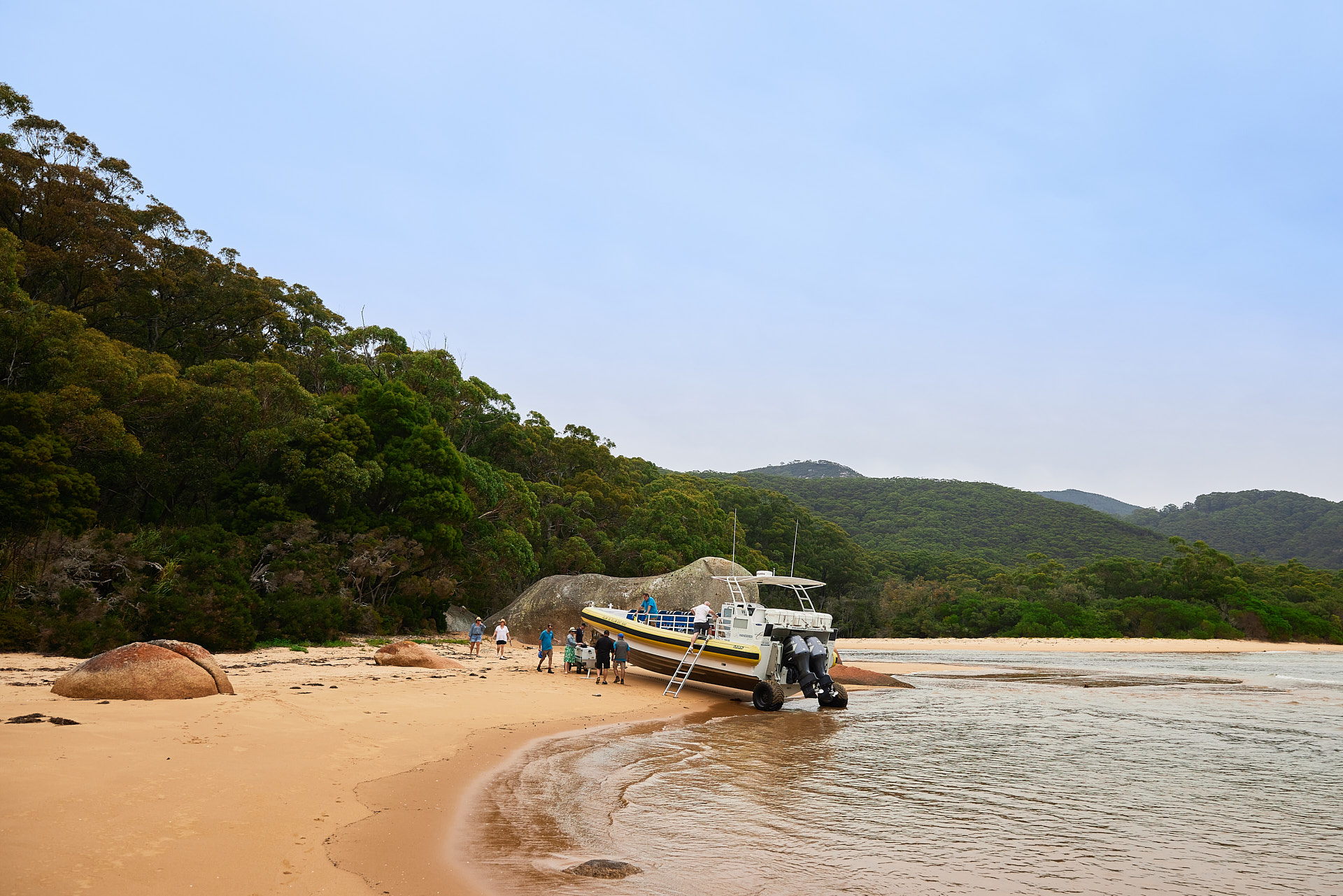
Our Ultimate Day Cruise offers an alternative way to experience Sealers Cove without the 20-kilometer trek. Our amphibious vessels can access areas of the cove that hikers simply cannot reach, including secluded sections of shoreline and prime wildlife viewing spots.
From the water, you get a completely different appreciation for the cove's geography. The scale of the granite headlands, the color gradients in the water, and the way the forest meets the beach all become more apparent when viewed from offshore. Plus, you have the chance to spot seals, dolphins, and seabirds that you might miss from the land-based approach.
The cruise includes morning tea and lunch, so you can enjoy a relaxed meal on the beach without carrying heavy packs. For many visitors, particularly families with children or those with limited mobility, this is the only practical way to experience Sealers Cove.
What to expect at Sealers Cove
Whether you arrive by foot or by boat, your first glimpse of Sealers Cove is likely to stop you in your tracks. The beach curves gently between two rocky headlands, creating a natural harbor that has sheltered vessels (and now visitors) for generations.
The sand here has a distinctive golden hue that contrasts beautifully with the turquoise water. At low tide, the beach expands dramatically, revealing tidal pools and exposed rock platforms perfect for exploring. At high tide, the water laps at the vegetation line, creating an intimate, enclosed feeling.
If you're camping, the designated camping area sits just back from the beach among the trees. It offers basic but adequate facilities: drop toilets, water from the creek (treat before drinking), and plenty of shade. The campsites are scattered through the fernery, giving each spot a sense of privacy.
Wildlife encounters are common. Wombats and wallabies regularly visit the camping area, particularly at dawn and dusk. Crimson rosellas are almost guaranteed, and their boldness around humans can be surprising. Keep an eye out for snakes, particularly on warm days; the area is home to tiger snakes and copperheads, though encounters are rare if you stick to tracks.
For photographers, Sealers Cove offers endless opportunities. The creek outlet creates interesting water features, particularly where tannin-stained freshwater meets the clear saltwater. The headlands provide elevated vantage points, and the changing light throughout the day transforms the color palette dramatically.
The history behind the name
Understanding Sealers Cove's history adds a layer of meaning to your visit. The name is not decorative; it refers to the intensive sealing operations that took place here throughout the 19th century.
European sealers arrived in the early 1800s, drawn by the abundant fur seal populations that had thrived undisturbed for millennia. The industry was brutal and efficient. Countless seals were slaughtered for their dense pelts, while whales were hunted in the surrounding waters for oil. The mountain gullies above the cove were stripped of timber to fuel the try-pots used for rendering oil.
By the time the sealing industry collapsed in the mid-1800s, the seal populations had been devastated. The whales had largely disappeared. The only physical reminders of this period are the exposed jetty stumps that still protrude from the water at low tide, silent witnesses to the cove's industrial past.
The transformation since then has been remarkable. Wilsons Promontory was declared a national park in 1898, and the marine area surrounding Sealers Cove became part of the Wilsons Promontory Marine National Park in 1986. Today, the cove is a model of conservation success, with seal populations recovering and the ecosystem functioning largely as it did before European arrival.
This history makes the cove's current pristine condition feel even more precious. You're not just visiting a beautiful beach; you're witnessing the resilience of nature when given the chance to recover.
When to visit and what to bring
Timing your visit to Sealers Cove can make the difference between a good experience and an unforgettable one.
Best seasons: Spring through autumn (September to May) offers the most reliable weather, though summer days can be hot for hiking. Winter brings wild, dramatic conditions that appeal to experienced hikers but can make the creek crossing dangerous.
Tide timing: If you're hiking, plan your arrival at Sealers Creek for low tide. The crossing is manageable at low water but can be challenging or even impossible at high tide. Tide charts are available from Parks Victoria.
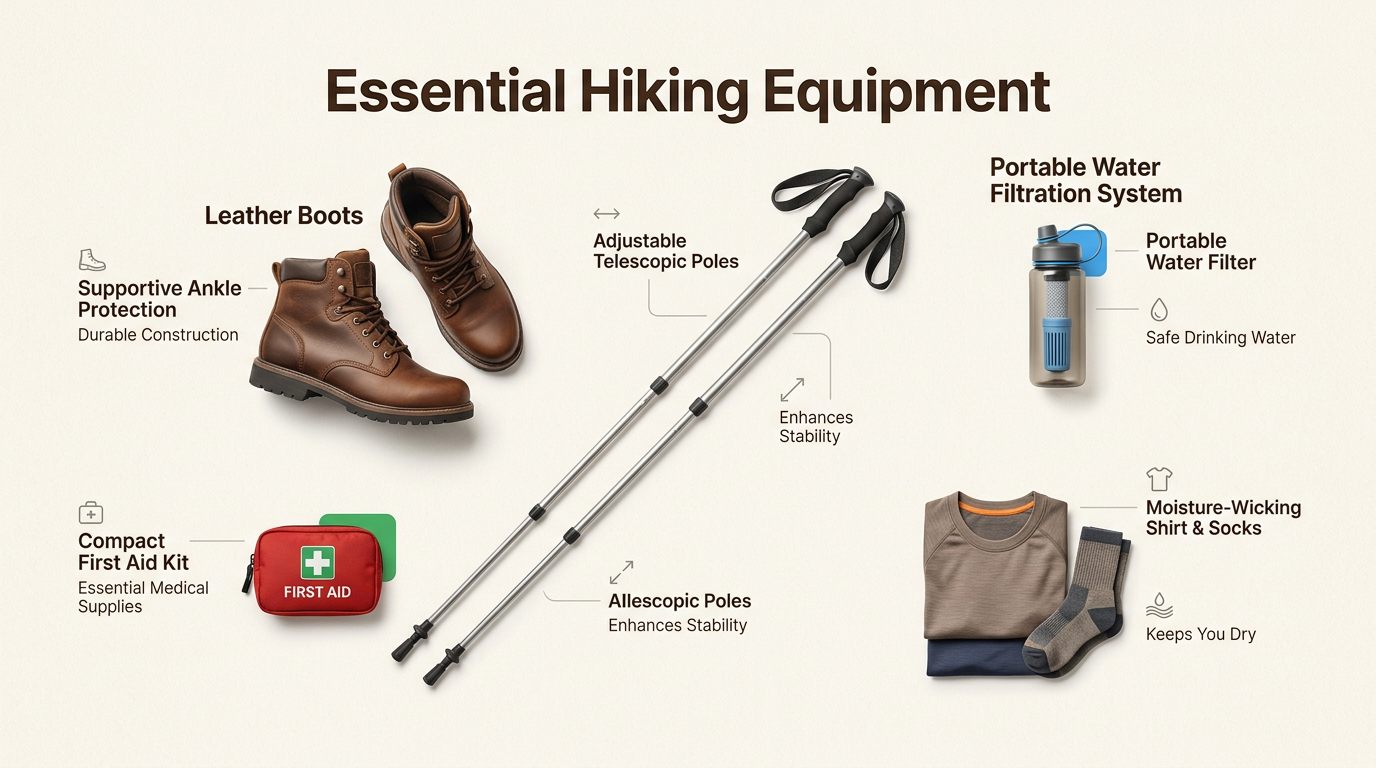
Essential gear for hikers:
- Sturdy hiking boots (the trail gets rocky and uneven)
- Walking poles (recommended for the descent and the return climb)
- Water treatment equipment (tablets or filter)
- Weather-appropriate clothing (conditions can change rapidly)
- First aid kit and emergency supplies
Safety considerations:
- Weather in the Prom can change quickly. Check forecasts before departing and be prepared to turn back if conditions deteriorate.
- Snakes are present but generally avoid humans. Stay on tracks and give any snakes you encounter plenty of space.
- Mobile phone coverage is patchy. Carry a fully charged phone and consider a personal locator beacon for overnight trips.
Booking requirements:
- Day hikes require no permits, just park entry
- Overnight camping must be booked in advance through Parks Victoria
- Group sizes are limited to 12 people maximum
Experience Sealers Cove with Wanderer Adventures
Our Ultimate Day Cruise was designed specifically for visitors who want to experience the best of Wilsons Promontory without the physical demands of multi-day hiking. Sealers Cove is a highlight of this 5.5-hour journey.
The cruise departs from our beach launch point and follows the coastline to the cove, passing landmarks like Skull Rock, the Glennie Islands, and Refuge Cove along the way. Our amphibious vessels allow us to land directly on the beach at Sealers Cove, giving you time to explore, swim, or simply soak in the atmosphere.
What makes this approach special is the perspective. From the water, you see the cove as the early explorers saw it: a sheltered anchorage backed by forested hills, with wildlife visible on the shore and in the water. Our crew shares stories of the area's history, ecology, and wildlife, adding context to what you're seeing.
The cruise includes morning tea and lunch, so you can enjoy a relaxed meal on the beach. For photographers, the vessel provides unique angles on the coastline that simply aren't accessible from land. And for wildlife enthusiasts, the chance to spot seals, dolphins, and seabirds from the water adds another dimension to the experience.
This is Sealers Cove made accessible. No heavy packs. No creek crossings. No 20-kilometer trek. Just the beach, the wildlife, and the knowledge that you're experiencing one of Victoria's most beautiful locations in a way that few others do.
Planning your Wilsons Promontory adventure
Sealers Cove works best as part of a broader Wilsons Promontory experience. The park offers enough variety to fill several days, whether you're hiking, cruising, or combining both approaches.
Nearby attractions to consider:
- Squeaky Beach: Famous for its white quartz sand that squeaks underfoot, this beach is far more accessible than Sealers Cove and makes an excellent alternative for casual visitors.
- Refuge Cove: Another stunning cove nearby, often mentioned by hikers as an alternative or addition to Sealers Cove.
- Tidal River: The park's main hub, with accommodation, food, and visitor facilities.
- Wilsons Promontory Lighthouse: A historic lighthouse at the southern tip of the peninsula.
Accommodation options:
- Camping: Tidal River campground offers powered and unpowered sites with full facilities.
- Roofed accommodation: Cabins and lodges are available at Tidal River (book well in advance).
- Nearby towns: Yanakie and Fish Creek offer additional accommodation options outside the park.
How to book:
- Hiking and camping: Through Parks Victoria (bookings essential for overnight hikes)
- Cruises: Through our website or visitor center
Sealers Cove represents something increasingly rare: a genuinely wild place that rewards effort with beauty. Whether you earn it through a 20-kilometer hike or arrive by boat, the experience of standing on that golden sand, surrounded by forest and sea, is one that stays with you.
The question isn't really whether Sealers Cove is Victoria's most beautiful secluded beach. The question is: how will you choose to experience it?