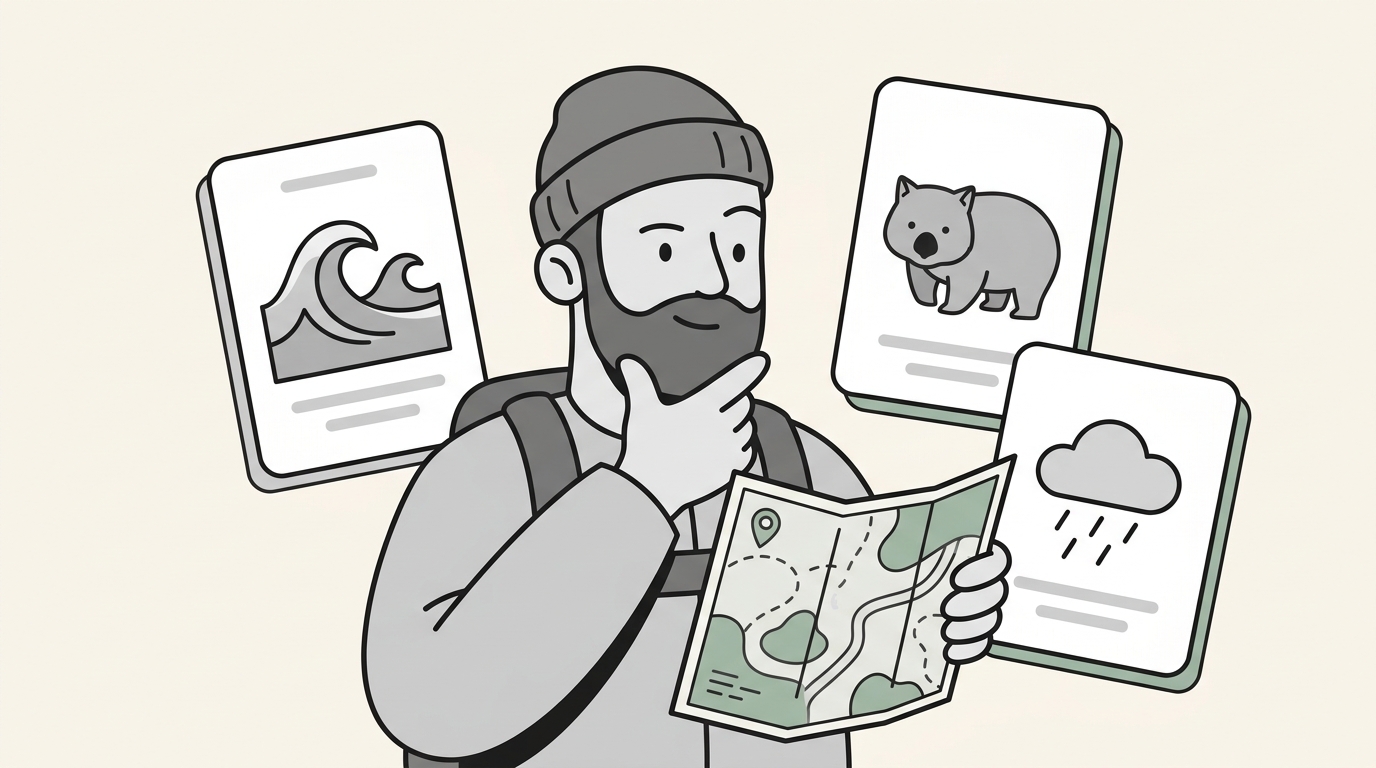
Wilsons Promontory has a way of surprising you. One moment you're walking along a sun-drenched beach, and the next you're watching fog roll in so thick you can barely see the person next to you. The local wildlife seems tame until a tiger snake slithers past your campsite. And that inviting ocean? It hides rips that can challenge even strong swimmers.
This wildness is exactly what draws people to the Prom. But it also demands respect and preparation.
At Wanderer Adventures, we've spent years navigating the waters around Wilsons Promontory. We're the only commercial operator within 30 kilometres of this coastline, and our crew knows these waters and this landscape intimately. We've seen how quickly conditions change, how deceptive the ocean can be, and how the best wildlife encounters happen when you know how to stay safe.
This guide covers what you need to know before you go: the marine hazards that catch visitors off guard, how to share the landscape responsibly with wombats and other wildlife, and why weather here plays by its own rules.
Understanding Wilsons Promontory's unique environment
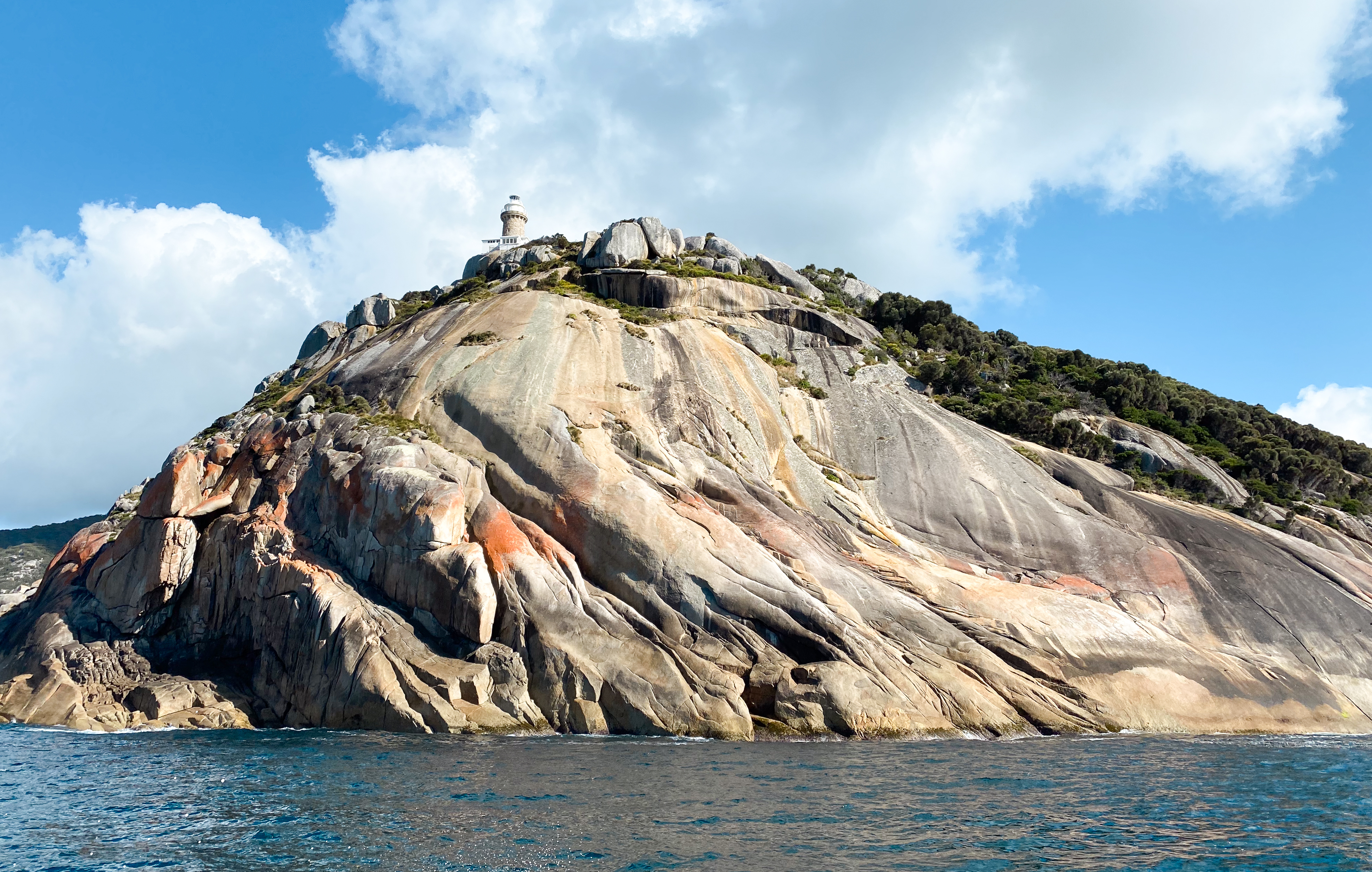
Wilsons Promontory National Park covers 50,000 hectares at the southernmost tip of mainland Australia. The landscape sits atop a granite batholith, a massive formation of cooled magma that creates the distinctive boulders and mountains you'll see everywhere. This geology, combined with its exposed position jutting into the Bass Strait, creates an environment where conditions can shift rapidly.
The park is part of an Aboriginal cultural landscape. The Bunurong and Gunaikurnai peoples have lived here for thousands of years, maintaining deep connections to the place they call "Wamoon" or "Yiruk." Their ongoing role in caring for Country reminds us that we're visitors in this landscape, and our safety depends on respecting it.
The Prom's biodiversity is remarkable. More than 20% of Victoria's native plant species and half the state's bird species occur here. The marine environment is equally significant: the Wilsons Promontory Marine National Park is Victoria's largest marine protected area, stretching from the Glennie Islands to the park's boundaries.
This richness comes with responsibility. The same features that make the Prom spectacular (its remoteness, its exposure to Southern Ocean weather, its abundant wildlife) also create genuine hazards for the unprepared.
Marine safety: respecting the Bass Strait
The Bass Strait doesn't forgive mistakes. The water is cold enough to induce shock, the rips can move faster than you can swim, and conditions change with little warning.
Rip currents: what you need to know
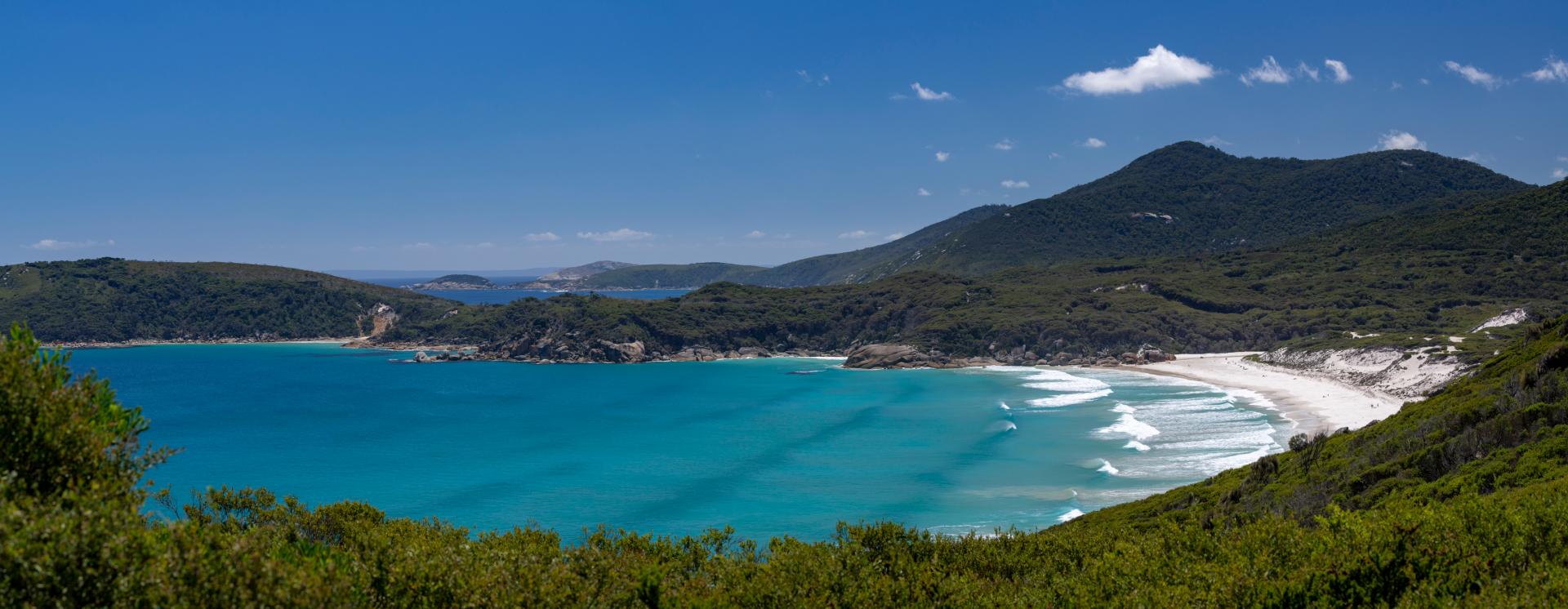
Rip currents are the leading cause of coastal drowning in Australia, and the beaches at Wilsons Promontory are no exception. At Norman Beach, Squeaky Beach, and other popular spots, rips can form quickly and move deceptively fast.
Here's how to spot a rip:
- Darker coloured water with fewer breaking waves
- A channel of rippled water surrounded by smoother water
- Foam, seaweed, or debris moving steadily seaward
- An area where waves aren't breaking consistently
If you get caught in a rip, the instinct to swim directly back to shore can exhaust you. Instead, stay calm and remember: float to conserve your energy, signal for help if there are people nearby, and swim parallel to the beach if you're able. Most rips are narrow, so moving sideways often gets you out of the current.
The safest approach? Swim only where permitted, never swim alone, and if you're not confident reading ocean conditions, consider experiencing the coastline from our Wilsons Promontory Wilderness Cruise instead. Our amphibious boats let you access the marine environment without the risks of open water swimming.
Cold water shock and hypothermia
The water temperature around the Prom rarely exceeds 18°C, even in summer. That's cold enough to trigger gasp reflex and cold water shock, which can incapacitate even strong swimmers within minutes.
If you do enter the water unexpectedly:
- Focus on controlling your breathing. The initial gasp reflex passes within 60-90 seconds.
- Keep your head above water. Cold water on your face triggers the mammalian dive reflex, which can help slow your heart rate.
- Float rather than swim aggressively. You'll lose body heat much faster when moving.
Marine wildlife encounters
The waters around the Prom are home to seals, dolphins, and seasonal whale populations. During migration periods, humpback and southern right whales pass within sight of the coastline.
For safe marine wildlife viewing:
- Maintain at least 100 metres from whales (or 300 metres if calves are present)
- Keep 30 metres from seals resting on rocks
- Never attempt to touch or feed marine animals
- If you're in a vessel, approach slowly and avoid sudden movements
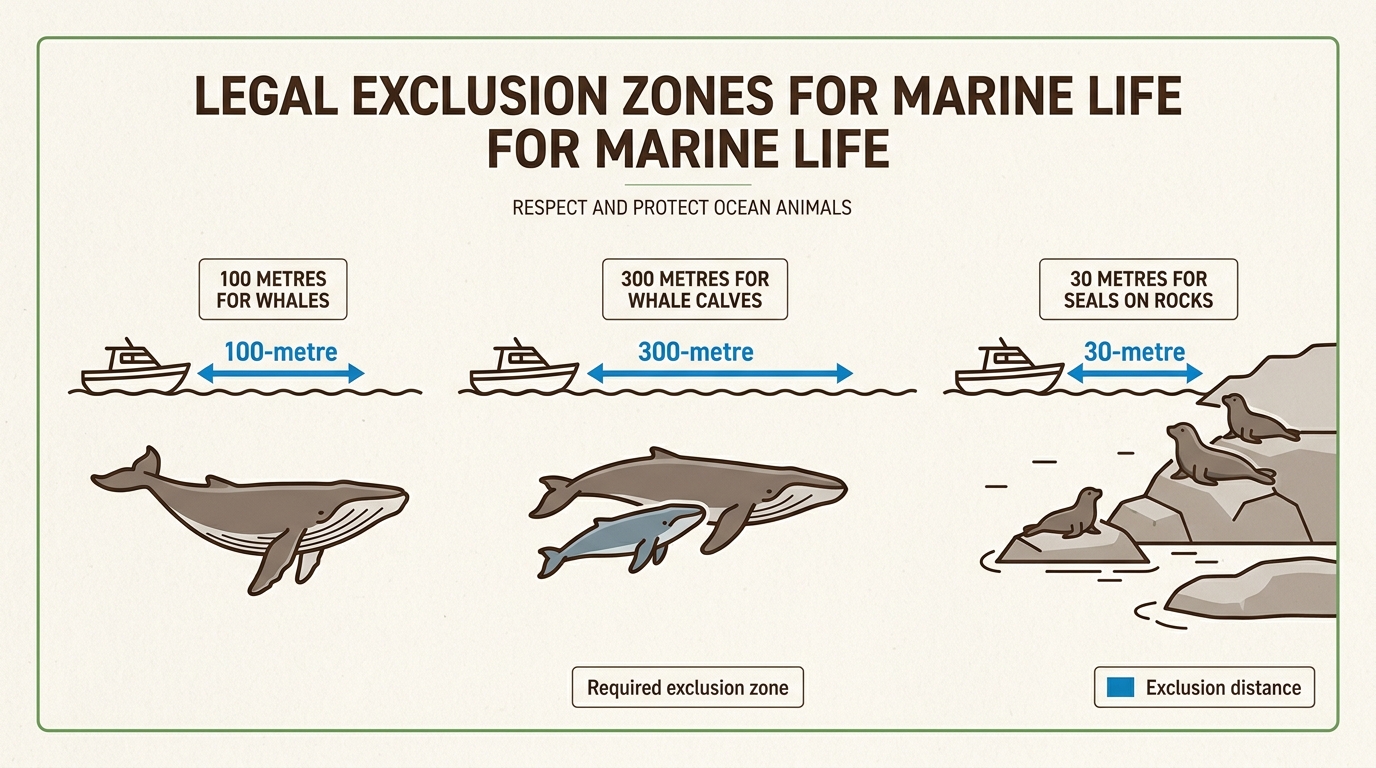
Our Whale Watching Cruises follow strict Marine Mammal Seal and Whale Watch Tour Permit guidelines. These regulations exist to protect both the animals and observers: stressed wildlife can behave unpredictably, and large marine animals can pose real dangers to vessels that get too close.
Wildlife safety: sharing Country with wombats and more
The wildlife at Wilsons Promontory is famously approachable. Wombats wander through campgrounds at Little Waterloo Bay. Kangaroos graze near walking tracks. It's easy to forget these are wild animals, not park mascots.
The wombat question
Wombats are the Prom's most iconic residents, and encounters are almost guaranteed. But "approachable" doesn't mean "pettable." These are powerful animals that can weigh up to 35 kilograms and move surprisingly fast when threatened.
Parks Victoria's guidance is clear: wildlife is just that, wild. Keep your distance, ensure children stay back, and never attempt to feed or touch wombats. A wombat that feels cornered can charge, and their bite force is strong enough to break bones.
The best wildlife viewing happens at the Prom Wildlife Walk or around campgrounds at dawn and dusk. Bring binoculars, move slowly, and let animals approach on their own terms if they choose to.
Snakes: awareness, not fear
Tiger snakes are common throughout the Prom. They're most active in warmer months and are often seen near water sources or basking on tracks. The Guardian's account of encountering a "dozy tiger snake" at Oberon Bay is typical: the snake was likely just warming itself and posed no threat to observers who kept their distance.
If you see a snake:
- Stop and back away slowly. Most snake bites occur when people try to handle or kill snakes.
- Give the snake an escape route. They want to avoid you as much as you want to avoid them.
- Wear sturdy boots and long pants when walking. Snake fangs rarely penetrate good footwear.
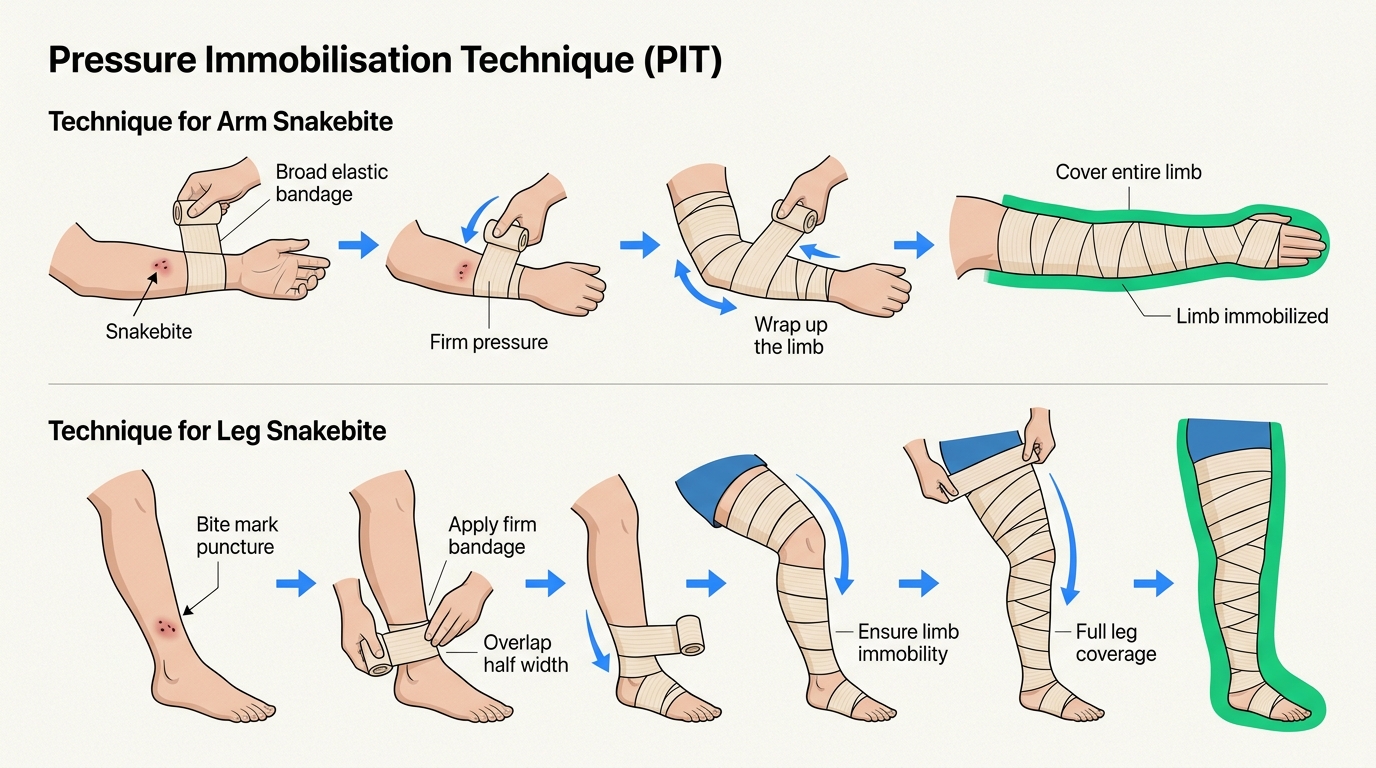
First aid for snakebite: keep the victim calm and still, apply a pressure immobilisation bandage over the bite site and extending up the limb, and call 000 immediately. Don't attempt to suck out venom, apply a tourniquet, or wash the wound (residual venom can help with identification).
Food storage and camp safety
Wildlife conflicts usually happen around food. Wombats, possums, and birds will raid unsecured supplies, creating dangerous habituation where animals associate humans with food.
At campgrounds:
- Store all food, rubbish, and scented items in hard-sided containers or vehicle lockers
- Never leave food unattended, even for a few minutes
- Clean up cooking areas thoroughly after meals
- Don't eat in your tent: crumbs attract curious animals overnight
Weather preparedness: from sunshine to southerly busters
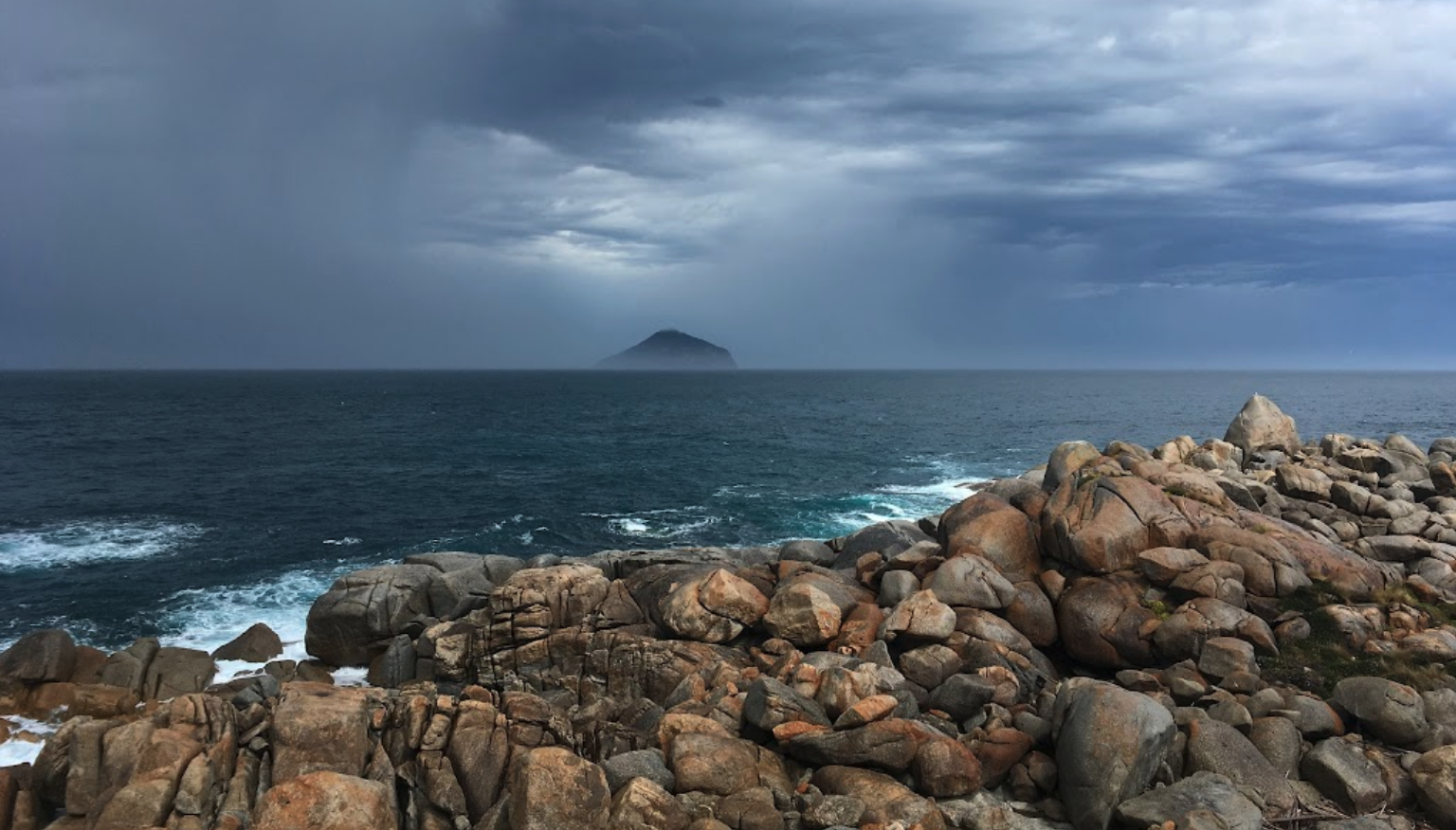
Weather at Wilsons Promontory can change in minutes. The park's exposed position means it catches weather systems moving across the Bass Strait that barely touch the mainland. A ranger at the lightstation once told The Guardian that fog can get so thick, buildings become invisible at five metres.
Reading the signs
Before your visit, check the Bureau of Meteorology forecasts specifically for the Wilsons Promontory area. General Victorian forecasts won't capture the microclimates you'll encounter.
Watch for these patterns:
- Southerly busters: Cold fronts that bring sudden wind shifts, temperature drops, and rain. They're most common in spring and summer.
- Sea fog: Forms when warm air moves over cold water, common in autumn and early summer. It can reduce visibility to near zero within minutes.
- Strong headwinds: The Prom's coastal tracks are exposed. Winds of 40-60 km/h are common and can make walking exhausting.
Sun and heat
The same granite that makes the landscape beautiful creates intense reflected heat. On clear days, sun exposure is severe even in cooler months. There's limited shade on many coastal tracks.
- Carry more water than you think you need (minimum 2-3 litres per person for day walks)
- Wear a wide-brimmed hat and UV-protective clothing
- Apply sunscreen regularly, especially on exposed necks and ears
- Start walks early to avoid midday heat
When to turn back
Parks Victoria's advice is simple: know the conditions, know your limits. If weather deteriorates while you're on track:
- Find shelter rather than pushing through exposed areas
- Be prepared to abandon your planned destination
- Remember that tracks can become slippery when wet, especially boardwalks and granite sections
For those who want to experience the Prom's coastline without weather exposure, our Ultimate Day Cruise provides a comfortable alternative. Our amphibious boats are designed for these conditions, with enclosed cabins and experienced crews who know when to adjust routes for safety.
Emergency preparedness: what you need to know
Despite all precautions, emergencies happen. Mobile phone coverage at Wilsons Promontory is patchy at best. Many areas have no signal at all.
Emergency contacts
| Situation |
Contact |
Notes |
| Life-threatening emergency |
000 |
Use any available phone, even without credit or SIM |
| Marine emergency |
000 or VHF Ch16 |
AMSA coordinates search and rescue nationally |
| Park rangers |
13 1963 |
Or visit Tidal River Visitor Centre (9am-4pm daily) |
| Non-urgent police |
131 444 |
Victoria Police assistance line |
Distress beacons (EPIRBs or PLBs) are worth considering for remote walks. AMSA manages Australia's distress beacon registration database, and a GPS-equipped beacon can mean the difference between a quick rescue and a long wait.
Self-sufficiency requirements
Parks Victoria emphasises that walkers must be entirely self-sufficient. This means:
- Carrying enough water for your entire walk (or knowing where reliable water sources are)
- Packing emergency shelter (even on day walks, conditions can change)
- Bringing a first aid kit and knowing how to use it
- Telling someone your plans and expected return time
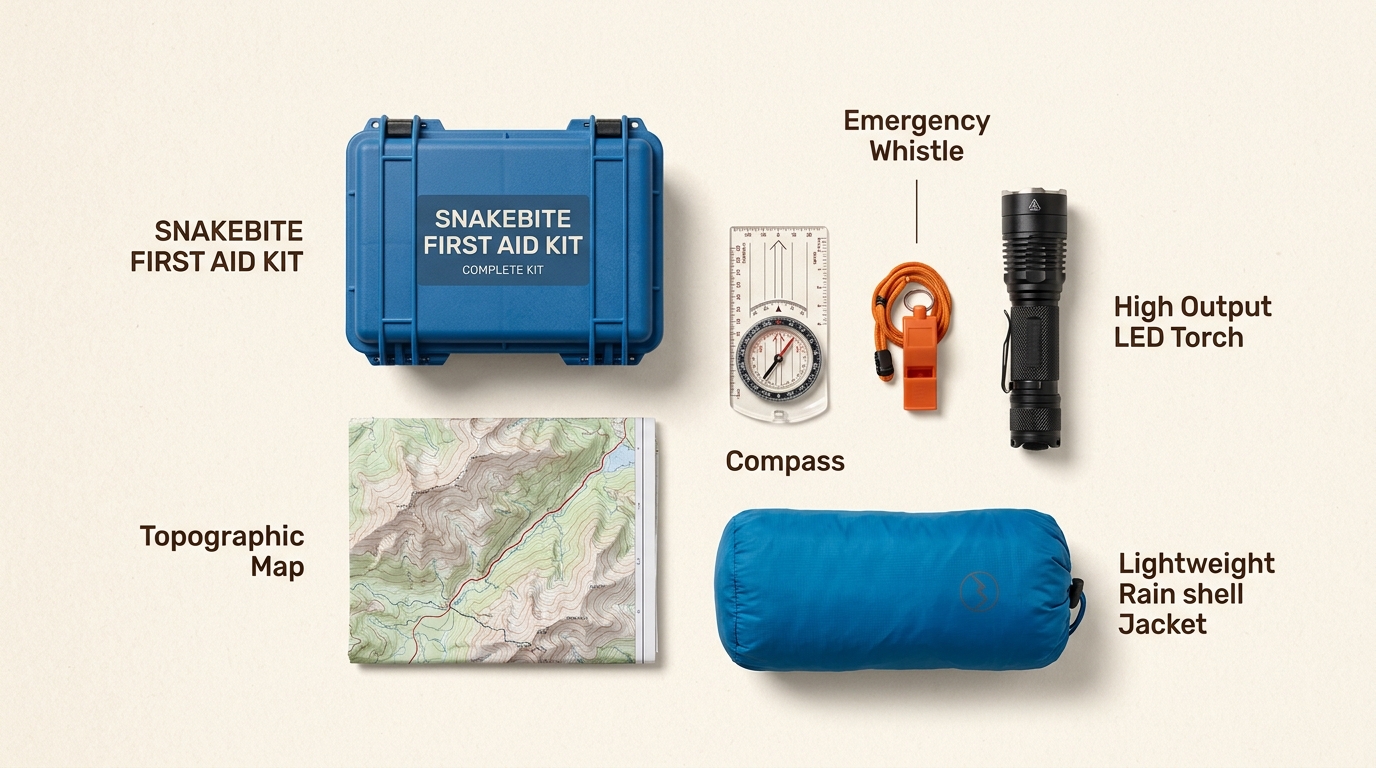
Essential items for a Prom visit
- First aid kit including pressure bandages (for snakebite)
- Map and compass or GPS (don't rely solely on phone navigation)
- Emergency whistle (three blasts is the international distress signal)
- Extra food and water beyond your planned needs
- Warm layers (weather can change rapidly)
- Sun protection
- Torch and spare batteries
Experience the Prom safely with local experts
Wilsons Promontory rewards preparation. The visitors who have the best experiences aren't necessarily the most experienced bushwalkers; they're the ones who understand that this landscape operates on its own terms.
At Wanderer Adventures, we've built our operations around this respect for the environment. Our Ecotourism certification reflects our commitment to low-impact operations and responsible wildlife viewing. Our amphibious boats allow us to access areas of the marine national park that would take days to reach on foot, without the track closures or weather exposure.
Our crew's local knowledge goes beyond navigation. We understand how rips form at different beaches, where wildlife is most active at different times of day, and how to read the Bass Strait's moods. This is knowledge that only comes from spending thousands of hours in this specific environment.
For visitors who want to experience the Prom's wild beauty without the risks of solo exploration, our cruises offer a safe alternative. You still get the wildlife encounters, the dramatic coastline, and the sense of wilderness that makes the Prom special. You just get there with expert guides, proper safety equipment, and the peace of mind that comes from local knowledge.
Book your Wilsons Promontory cruise and discover why we're the trusted choice for experiencing this remarkable place safely and responsibly.